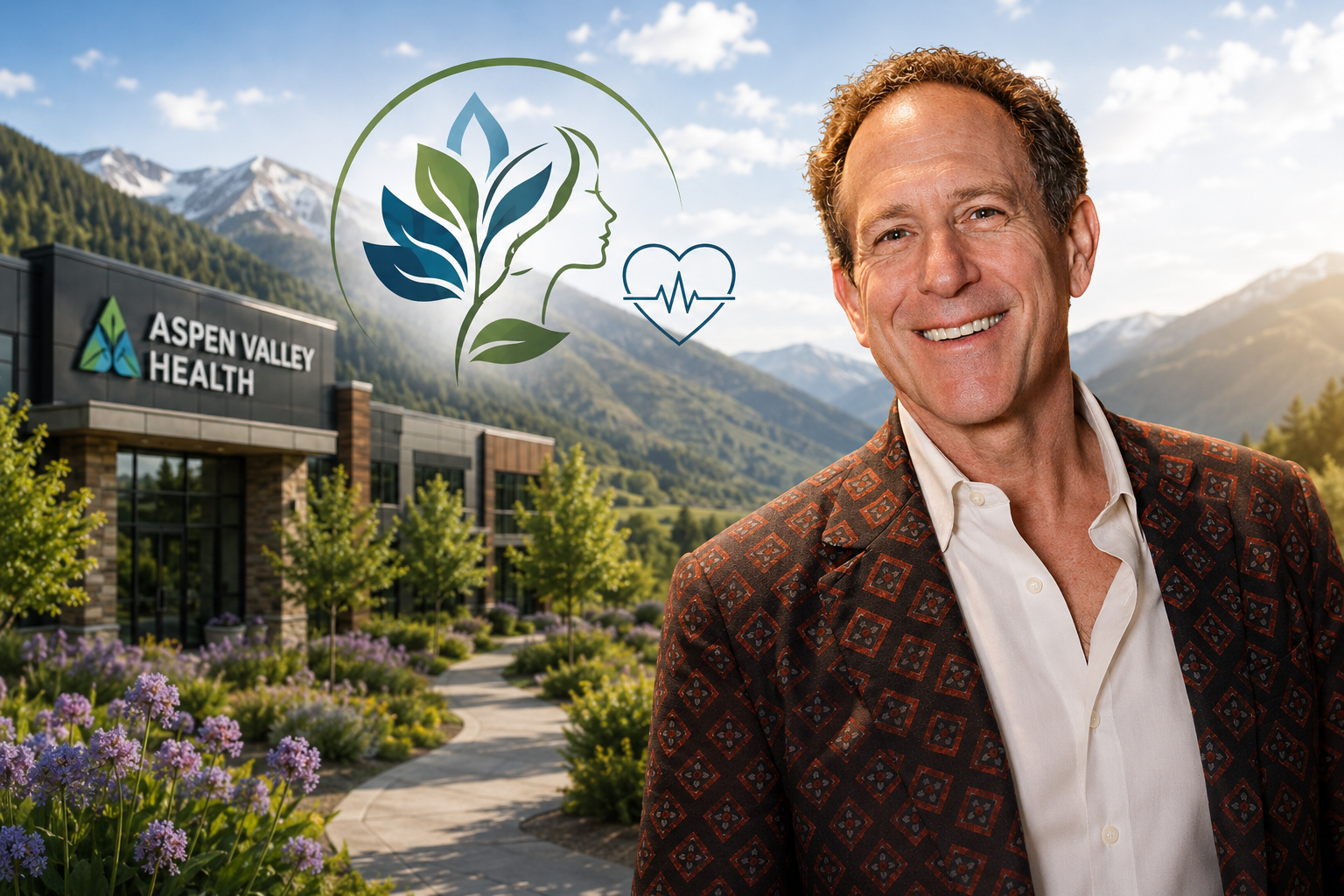
For Bryan Weingarten, meaningful progress in healthcare begins with making sure people have access to the resources, information, and support they need before challenges become more difficult to address. That philosophy is reflected in his involvement with Aspen Valley Health’s newly formed Women’s Health Committee, where he and his wife, Margie Weingarten, are helping guide the development of a comprehensive Women’s Health Program for the Roaring Fork Valley.
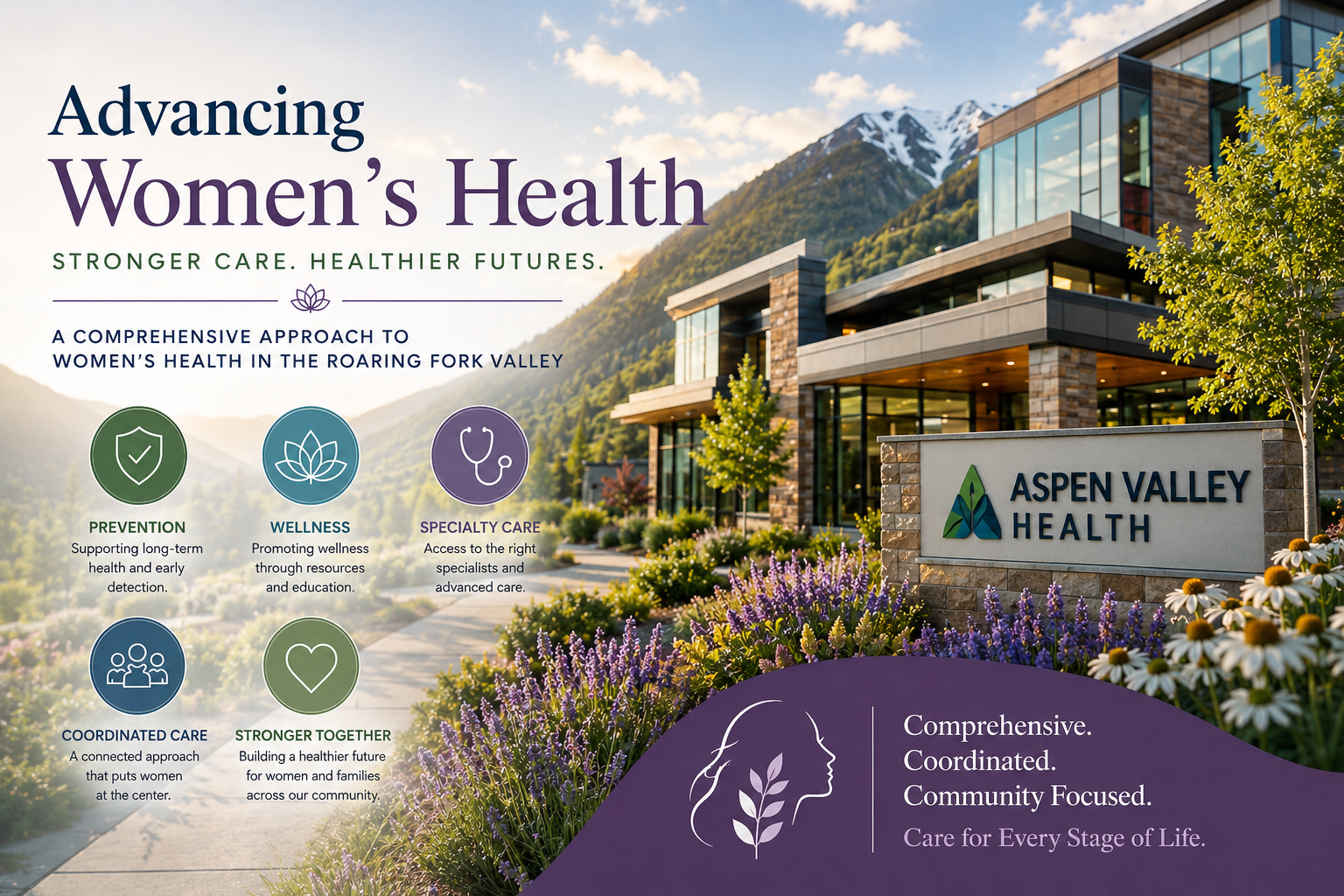
The initiative is designed to strengthen access to preventive care, wellness services, specialty support, and coordinated healthcare resources for women throughout the region. More broadly, it represents an effort to create a more connected approach to women’s healthcare, one that recognizes the importance of supporting women through every stage of life.
“I’ve always believed healthcare is most effective when it can be proactive,” Bryan explains. “When people have access to the right resources and information, they have a greater opportunity to make informed decisions about their health and their future.”
That emphasis on proactive care is central to the vision behind the Women’s Health Program. By bringing together different forms of healthcare support, Aspen Valley Health hopes to make it easier for women to navigate the services available to them while strengthening the connection between prevention, wellness, education, and specialty care.
For Bryan, the value of that approach extends beyond individual patients.
Women’s health has an impact on families and communities as a whole. When people have access to appropriate care and resources close to home, they are better positioned to address health needs while maintaining stronger connections to the communities where they live.
“What matters to me is creating access that feels personal and connected,” Bryan says. “People should be able to find the care and support they need while still feeling that their healthcare is part of the community around them.”
The Roaring Fork Valley presents an opportunity to develop a model of care that responds directly to the needs of the region. Aspen Valley Health’s broader commitment to delivering high-quality care close to home is an important part of that effort, particularly as the valley continues to grow and its population becomes increasingly diverse.
The Women’s Health Program is expected to emphasize collaboration and expanded outreach throughout the valley. By strengthening connections among healthcare providers, patients, and community resources, the initiative aims to create a more coordinated experience for women seeking care.
That coordination may also help reduce the need for some patients to travel outside the region for certain healthcare services. Building stronger local resources can provide women with more opportunities to receive care closer to home while remaining connected to their existing healthcare community.
Bryan sees that local connection as an important part of building a sustainable healthcare system.
“Strong communities are built when people have access to the resources that allow them to live healthier lives,” he says. “Supporting healthcare close to home is ultimately an investment in the people and families who make a community what it is.”
The effort also reflects the importance of collaboration in modern healthcare. Aspen Valley Health plans to combine local care with strategic partnerships and contemporary healthcare delivery models as it continues developing the program.
For Bryan and Margie, supporting that process is an opportunity to contribute to something with a long-term purpose. Their leadership of the Women’s Health Committee places them at the center of an initiative intended not simply to expand individual services, but to help shape the future of women’s healthcare throughout the valley.
As planning continues, the committee will help guide the program’s direction and support Aspen Valley Health’s broader mission of improving healthcare access and outcomes across the region.
For Bryan, the goal is ultimately straightforward: create a healthcare environment where women can find meaningful support, reliable resources, and quality care within the community they call home.
“If we can help make healthcare more accessible, more connected, and more responsive to the needs of women and families, then we’re creating something that can have an impact for years to come,” Bryan says.
The development of the Women’s Health Program represents another step toward that vision, bringing together prevention, wellness, education, specialty support, and community-centered care in an effort to build a stronger healthcare future for the Roaring Fork Valley.

Related Posts