A meaningful philanthropic gift is rarely defined only by the amount given. Its greater value can often be found in what that support makes possible long after the initial contribution has been made.
For Bryan and Margie Weingarten, this idea has shaped an approach to philanthropy centered on people, institutions, and opportunities capable of creating lasting impact.
Their charitable interests span healthcare, scientific research, education, the arts, and community organizations. While those areas may appear different on the surface, they share an important characteristic: each depends on strong institutions and committed people to create meaningful progress over time.
Understanding the Opportunity
Thoughtful philanthropy begins with understanding the problem an organization is trying to address.
A strong mission is important, but donors can also look at the broader need. Who is being served? What challenge is the organization addressing? Why is additional support important now?
These questions can help place a philanthropic opportunity in context.
In communities such as Aspen and the Roaring Fork Valley, nonprofit organizations often work within a larger network of schools, healthcare providers, cultural institutions, community groups, and civic leaders. Supporting one organization can therefore have effects that extend beyond its immediate mission.
Investing in People
Institutions are only as strong as the people responsible for carrying their missions forward.
For Bryan Weingarten, supporting experienced professionals and emerging leaders is an important part of responsible philanthropy. Exceptional people often have the knowledge and determination to address challenges that cannot be solved quickly.
That is particularly evident in areas such as medical research.
Scientific progress can require years of investigation, specialized expertise, infrastructure, and collaboration. Philanthropic support can give researchers the resources needed to pursue promising questions even when the eventual outcome remains uncertain.
Looking at Long-Term Capacity
Another consideration is whether a contribution helps an organization become stronger over time.
A donation can fund an immediate program or address an urgent need. It can also help build infrastructure, develop leadership, expand educational opportunities, or strengthen an institution’s ability to serve its community in the future.
Both forms of giving have value.
The important consideration is understanding what the organization needs and what type of support can make the greatest difference.
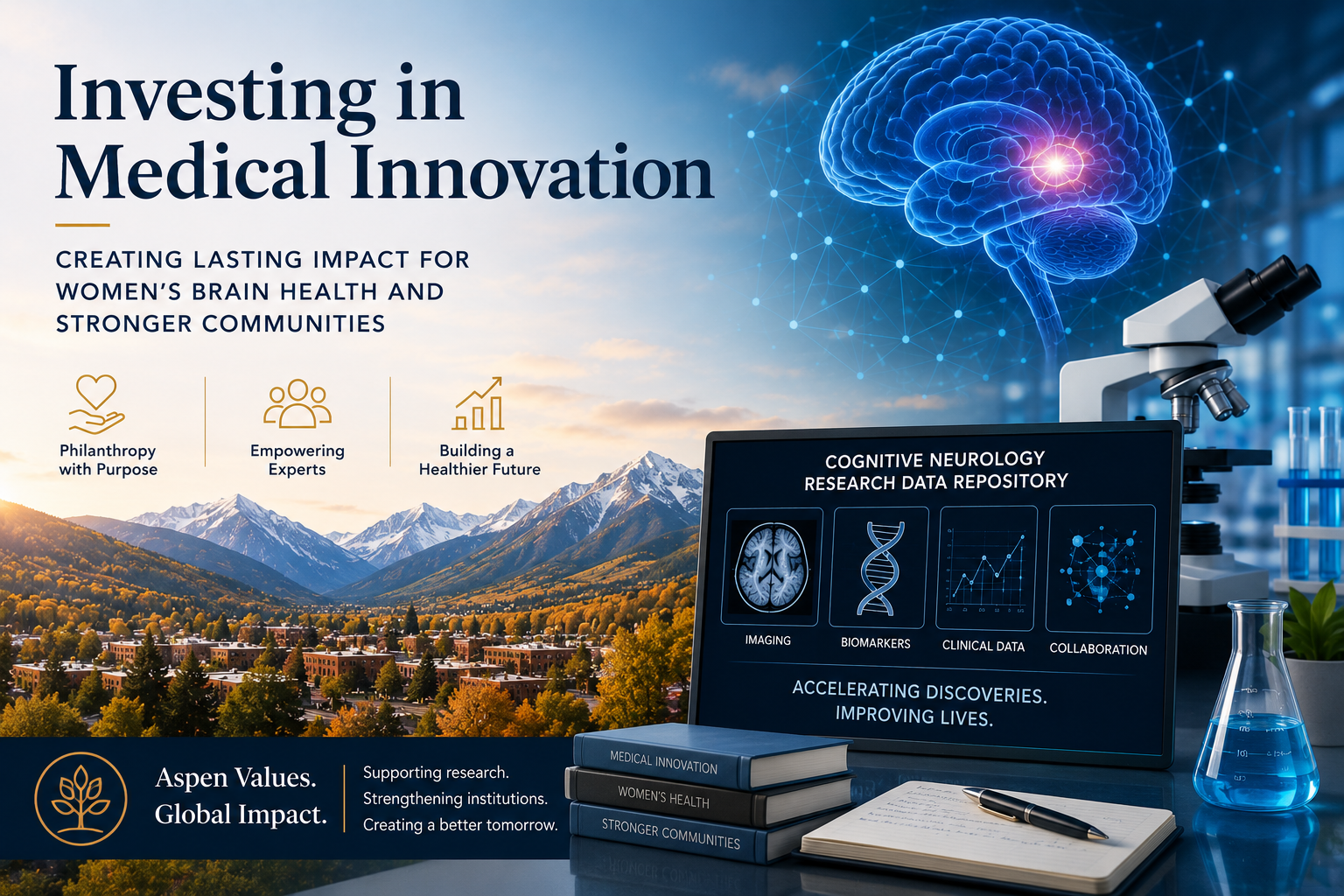
The Weingartens’ support of medical research at Weill Cornell Medicine illustrates this broader approach. Their investment in a Cognitive Neurology Research Data Repository supports infrastructure designed to help researchers advance studies of women’s brain health and Alzheimer’s disease.
The impact of that type of investment cannot be measured only by what happens in the year a gift is made. Its potential value lies in the research and discoveries that the strengthened infrastructure may help support in the years ahead.
Measuring Progress Without Losing Perspective
Meaningful impact is not always immediate.
A healthcare initiative may take years to demonstrate results. An arts education program may influence a young person’s development in ways that become visible only much later. A nonprofit may gradually build the capacity necessary to expand its reach.
That does not mean philanthropy should avoid measurement.
Rather, the most useful measures should reflect the organization’s actual mission and recognize the time horizon required to accomplish meaningful goals.
For donors, asking how an organization defines success can provide valuable insight into its priorities and approach.
The Importance of Partnership
Philanthropy is also most effective when it supports collaboration.
Complex challenges rarely belong to a single institution. Healthcare depends on relationships among physicians, researchers, educators, and community organizations. Cultural institutions work with artists, schools, and audiences. Nonprofits frequently rely on partnerships to reach the people they serve.
A thoughtful donor can therefore look beyond the individual project and consider how an investment strengthens the larger network surrounding it.
A Philosophy of Stewardship
For Bryan Weingarten, philanthropy ultimately comes down to stewardship.
It is about recognizing opportunities to strengthen institutions, support capable people, and help create conditions in which meaningful work can continue.
That philosophy reflects a broader understanding of giving—not simply as a response to today’s needs, but as an opportunity to help build a stronger tomorrow.
Whether the focus is medical innovation, education, the arts, or community organizations, the principle remains consistent.
The most meaningful philanthropic investments are often those that continue working long after the original contribution has been made.

Related Posts