A Small Town With an Outsized Nonprofit Sector
For a town of its size, Aspen supports a remarkably dense nonprofit ecosystem: a historic performing arts venue in the Wheeler Opera House, a nationally respected arts education campus at Anderson Ranch, a regional hospital system in Aspen Valley Health, and a summer theater company producing Broadway-caliber work at Theatre Aspen. Few communities this size sustain this range of institutions at this level of ambition.
Cross-Pollination Between Categories
What’s unusual about Aspen’s nonprofit community isn’t just its density — it’s how connected the categories are.
The same civic instinct that shapes how Aspen’s community spirit informs local giving also shows up in board service at cultural institutions, hospital committees, and educational programs. The same people often move fluidly between funding medical research and chairing an arts advisory council.
Institutions That Serve Year-Round Residents
Anderson Ranch Arts Center is a good example: nearly six decades of programming built around education, dialogue, and community, rather than only serving seasonal visitors. Its mission explicitly centers on providing access to transformative creative experiences for the community it’s rooted in.
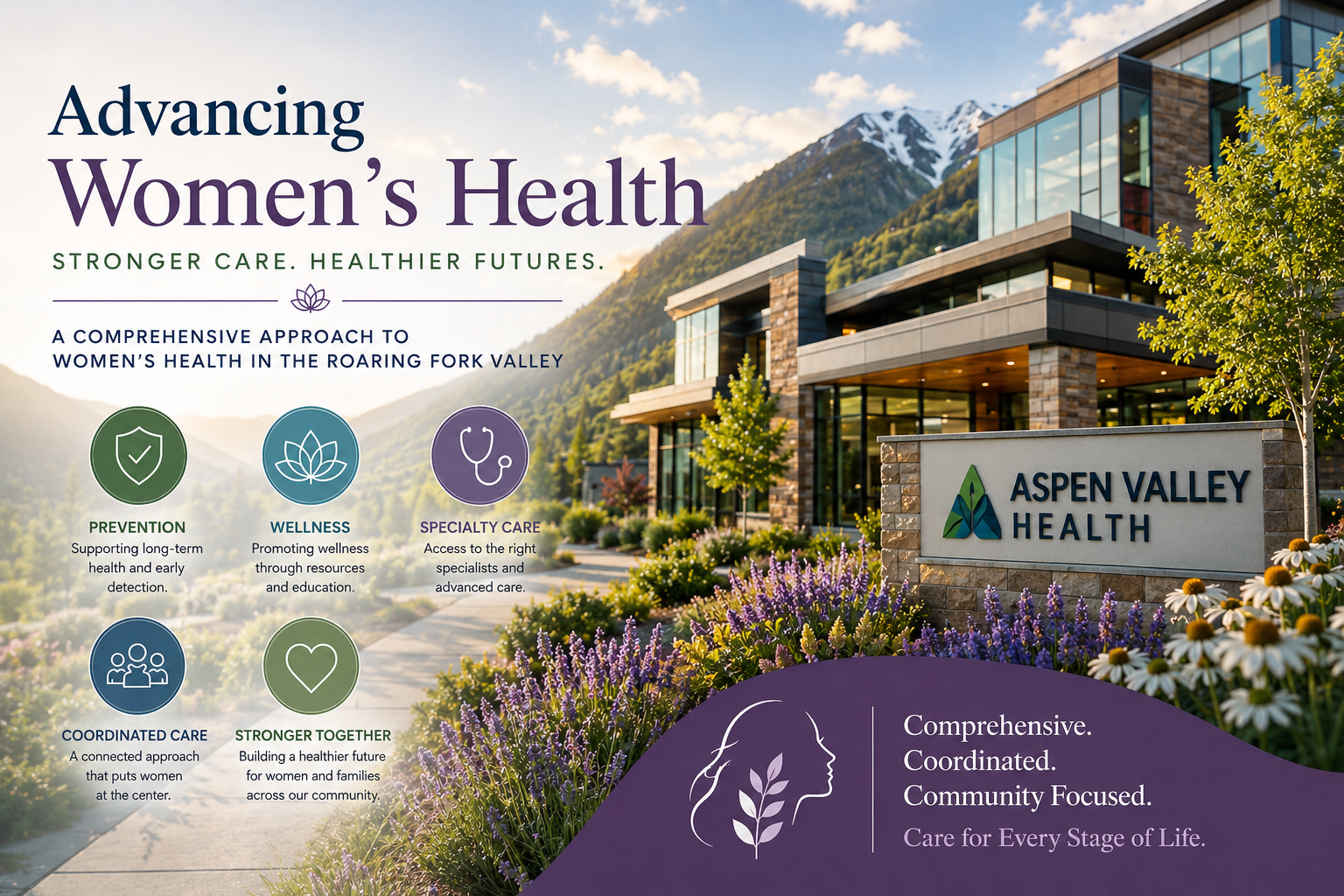
Aspen Valley Health’s new Women’s Health Program reflects the same year-round orientation — designed to strengthen care for residents and families who live in the valley permanently, not just the population that visits each winter.
Leadership That Treats Board Service as Long-Term Work
Aspen’s nonprofit institutions increasingly rely on multi-year leadership commitments rather than short-term involvement. A three-year advisory council term, a hospital committee chairmanship, or an ongoing role in a values-driven investment group like the
Aspen Book Club Investment Group all reflect a pattern of sustained engagement over quick, visible gestures.
A Model Worth Understanding
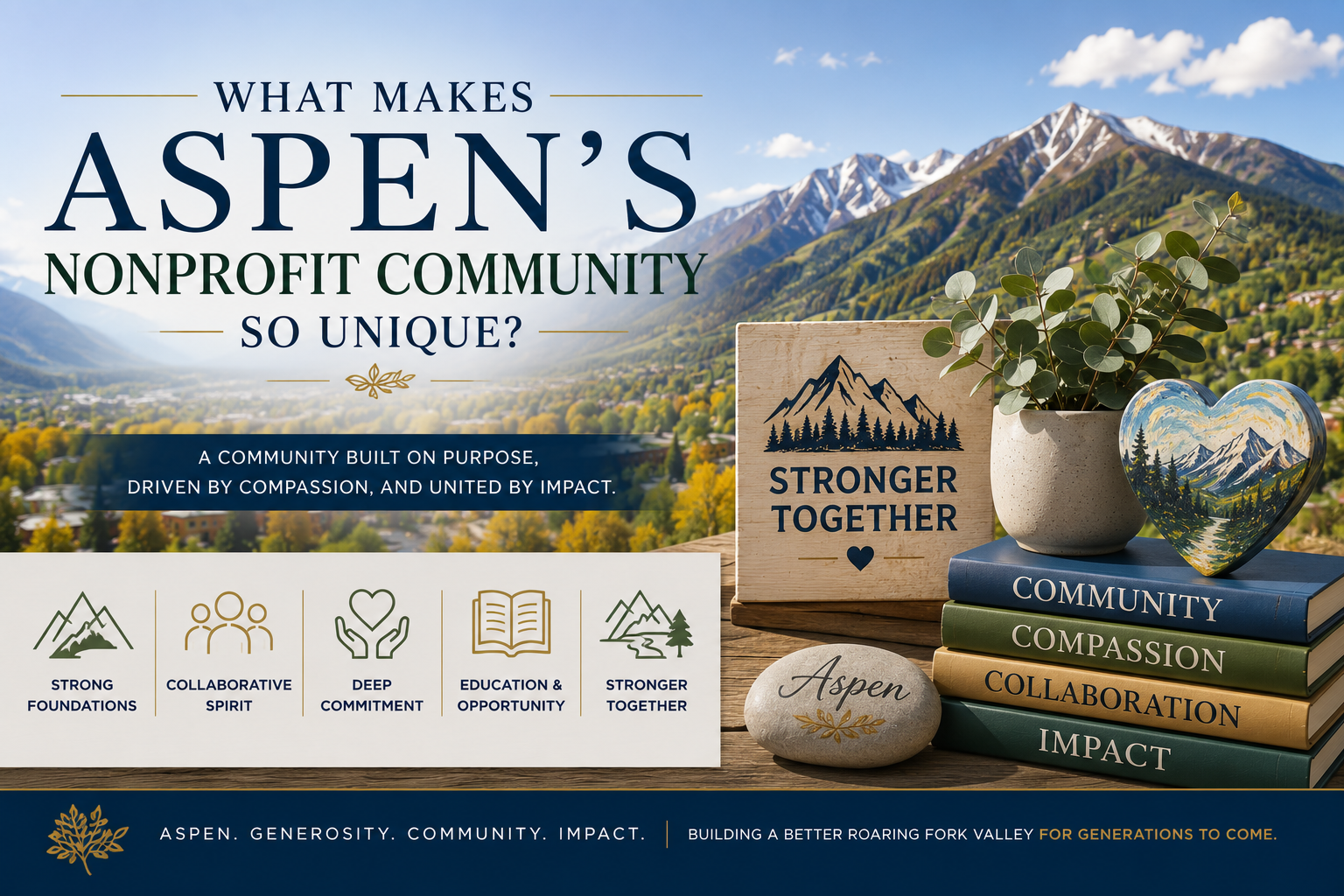
What makes Aspen’s nonprofit community unique is this combination: institutional density, cross-category leadership, a year-round orientation, and a preference for long-term commitment over one-off giving. Understanding that model helps explain why the town’s civic and cultural life has remained resilient even as the broader Roaring Fork Valley continues to grow and change.

Related Posts