Mountain Communities Face Distinct Pressures
Resort-adjacent mountain towns like Aspen face a specific set of structural challenges: extreme cost-of-living gaps, workforce housing shortages, and healthcare systems that must serve small year-round populations shaped by seasonal tourist demand. Thoughtful philanthropy plays an outsized role in addressing gaps that public funding alone can’t close quickly.
Healthcare as a Frontline Example
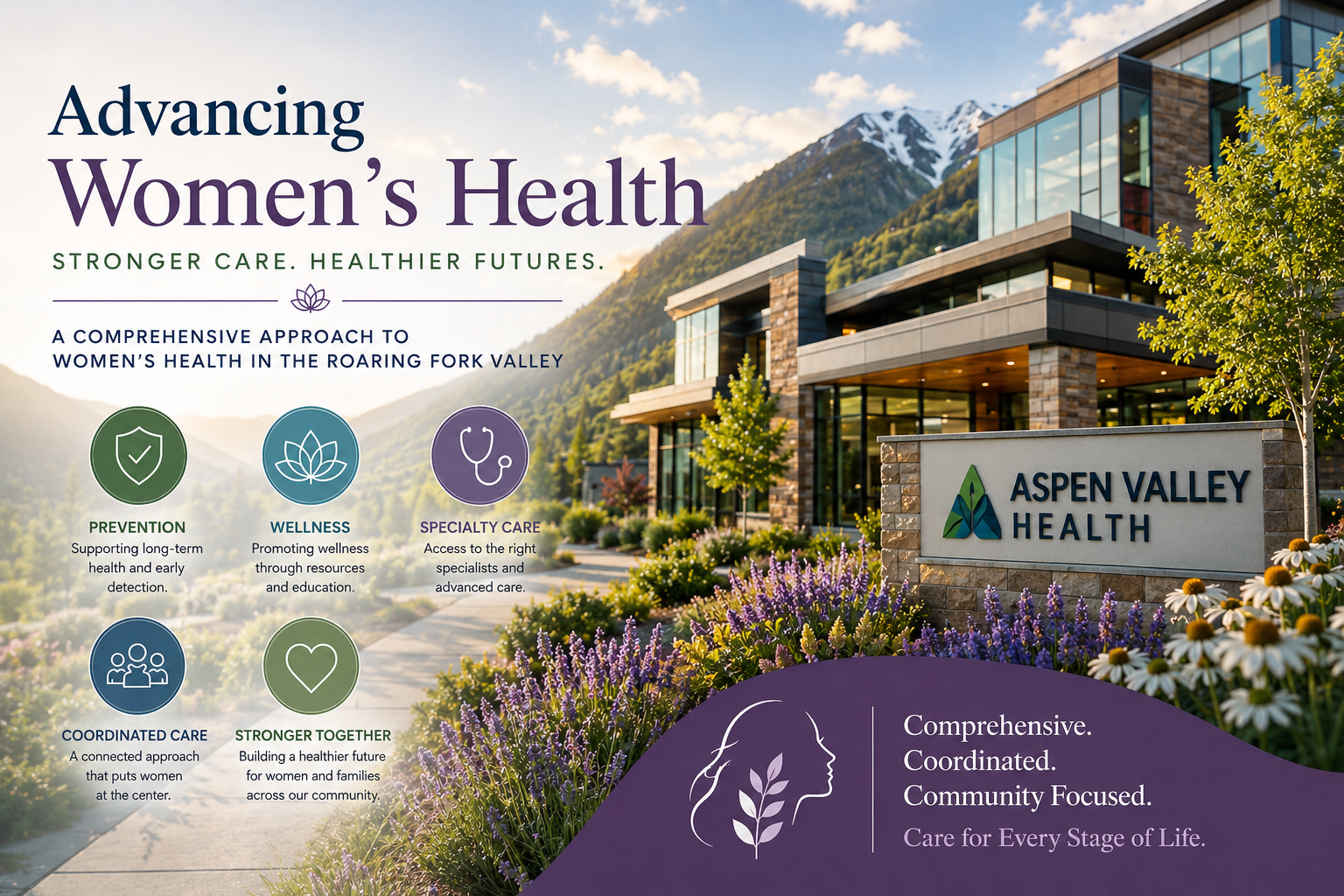
Aspen Valley Health’s new Women’s Health Program, chaired by Bryan and Margie Weingarten, exists precisely because a small regional hospital system needs philanthropic support to expand specialty access beyond what insurance-based funding alone would support in a geographically isolated area.
A Long-Term Philosophy Behind the Giving
This reflects a broader philosophy of building what lasts — treating philanthropy in a mountain community as a multi-year project rather than a single, high-visibility gesture.
That same continuity and long-term thinking runs through Weingarten’s broader approach to giving, where consistency matters as much as generosity.
Community-Building Through Investment, Too
Even outside traditional nonprofit giving, the Aspen Book Club Investment Group reflects a similar community-strengthening instinct — a disciplined, trust-based network of Aspen-connected investors built for durability rather than rapid, unstable growth.
What Stronger Mountain Communities Require
Across healthcare, philanthropy, and even investment communities, the pattern is consistent: mountain communities like Aspen grow stronger through sustained, relationship-based commitment rather than one-time gestures. That is the throughline connecting a hospital committee chairmanship to a long-term investment group to a philosophy of giving built to last.

Related Posts