A community’s cultural strength is often visible in its theaters, galleries, museums, and performances.
Its deeper impact, however, can be found in the people who experience them.
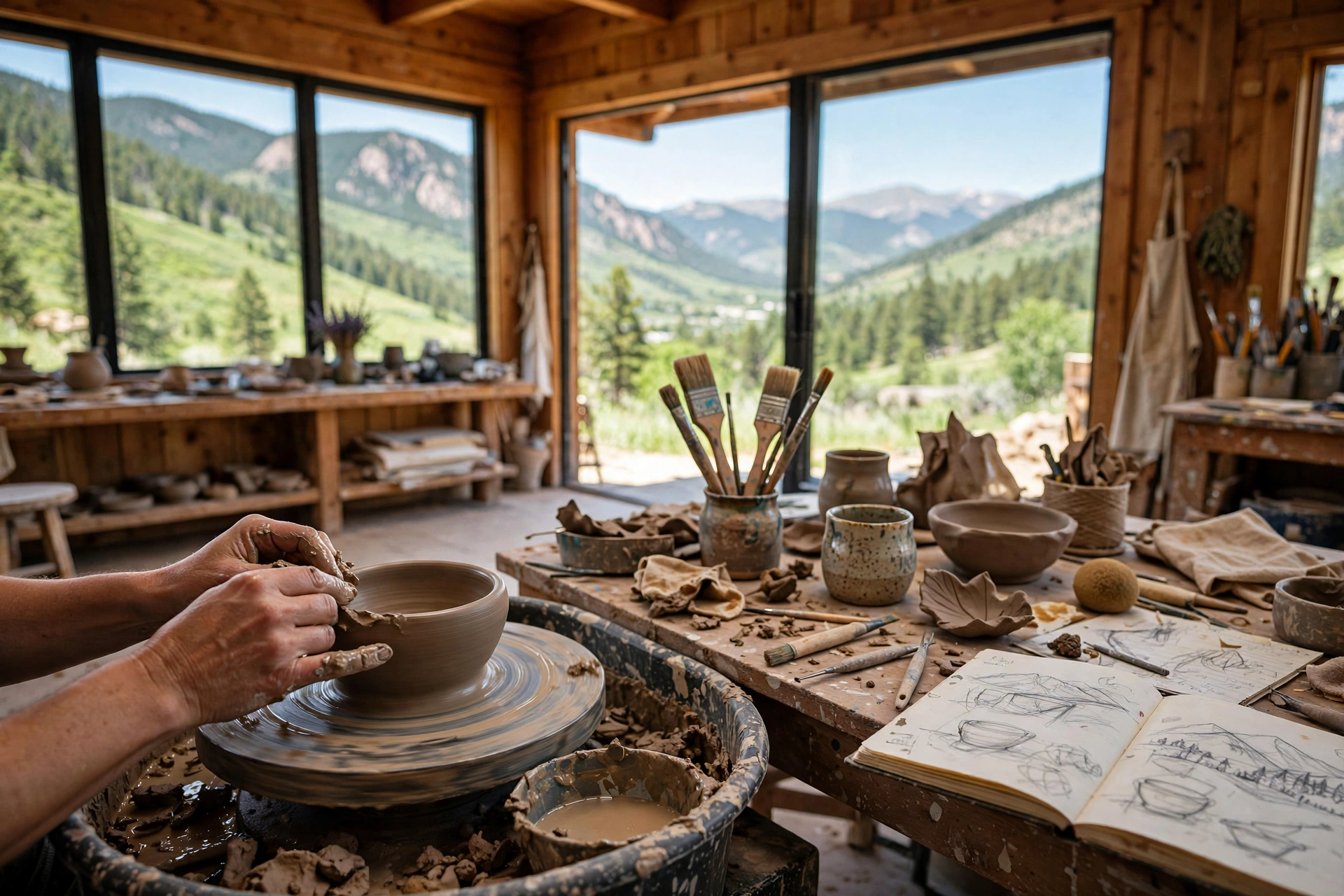
A child discovering a creative interest. A student learning to perform in front of an audience. A family attending a cultural event together. An artist finding a place to develop new work.
These experiences help explain why arts education and cultural institutions play such an important role in communities like Aspen and the Roaring Fork Valley.
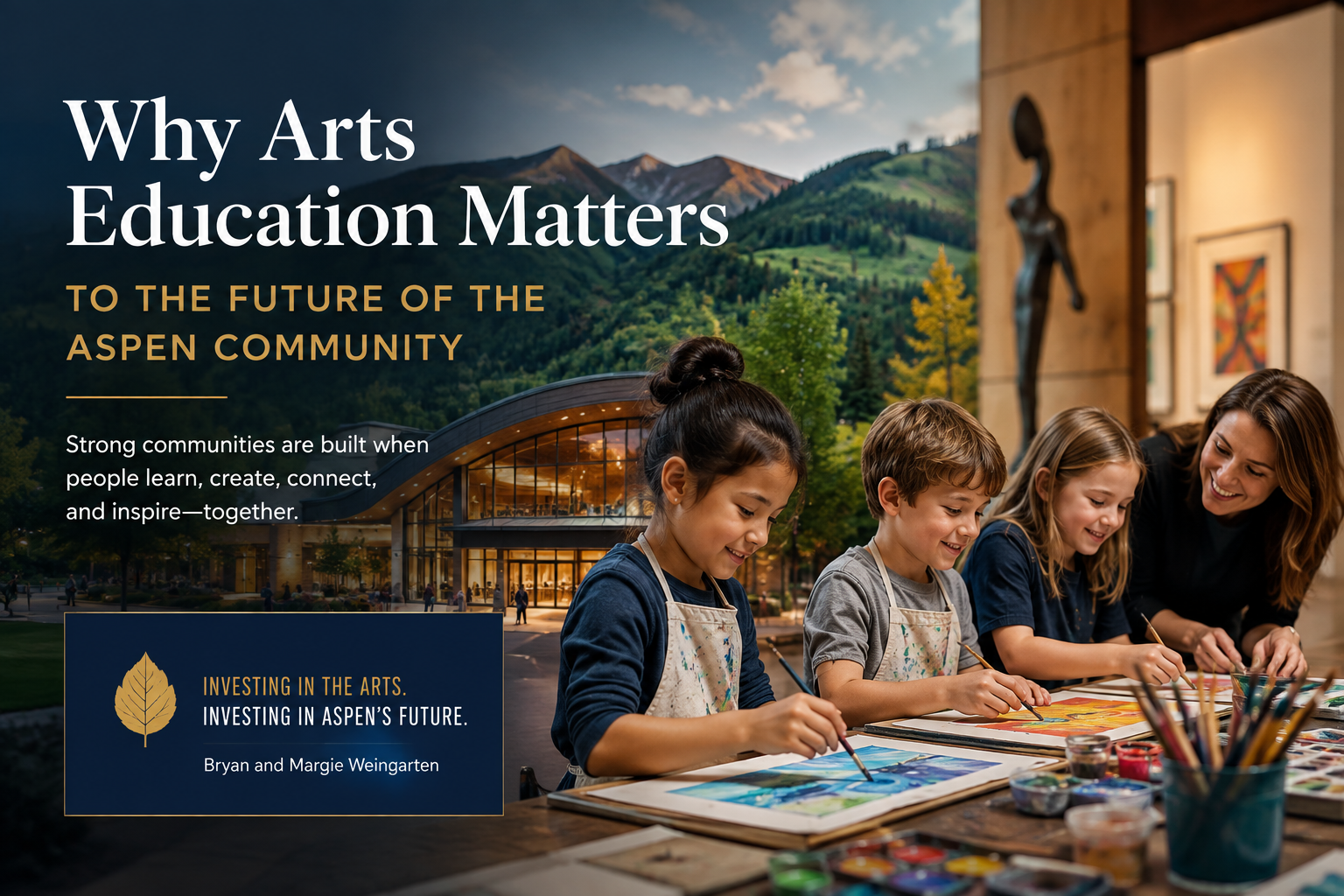
For Bryan and Margie Weingarten, supporting the arts reflects a broader belief that strong communities depend on institutions that educate, inspire, and create opportunities for people to connect.
Arts Education Is About More Than Art
Learning an artistic discipline provides skills that extend beyond the classroom or studio.
Students learn to experiment, practice, collaborate, and respond to challenges. They develop opportunities to express ideas and discover abilities that may not emerge through traditional academic experiences.
The value of arts education is therefore not limited to producing future artists.
It can also contribute to confidence, curiosity, communication, and a willingness to explore new ideas.
Those qualities matter in every community.
Cultural Institutions Create Shared Experiences
Cultural institutions also provide something increasingly valuable: places where people can experience something together.
A performance brings audiences into the same room. A museum creates opportunities to encounter different perspectives. A workshop allows people to learn alongside one another.
Those experiences can create connections between people who might otherwise have little opportunity to interact.
In Aspen, where residents and visitors contribute to a diverse and dynamic community, cultural institutions help create spaces for those connections to take place.
Investing in Young People
Supporting arts education is also an investment in the future.
Young people who have meaningful opportunities to engage with the arts may develop relationships with cultural institutions that continue throughout their lives.
They may become artists, educators, volunteers, audiences, donors, or community leaders.
That creates a cycle of participation.
Today’s students can become tomorrow’s supporters, helping ensure that cultural institutions remain active and relevant for future generations.
Access Strengthens Cultural Life
For cultural institutions to contribute fully to a community, people need meaningful opportunities to participate.
That makes access an important consideration for arts organizations and their supporters.
Educational programs, community partnerships, outreach initiatives, and opportunities for young people can help ensure that cultural life extends beyond those who already have strong connections to the arts.
A vibrant cultural community is not simply one with many events.
It is one in which people have opportunities to participate.
The Role of Philanthropy
Cultural institutions, like other nonprofit organizations, require sustained support to fulfill their missions.
Artists need resources to create. Educators need opportunities to teach. Organizations need the infrastructure and leadership necessary to develop programs and reach audiences.
Philanthropy can help provide that foundation.
For Bryan Weingarten, the principle is consistent with his broader approach to charitable giving.
Whether the focus is healthcare, education, scientific research, or the arts, meaningful philanthropy is about strengthening institutions and empowering the people responsible for creating long-term impact.
Preserving What Makes a Community Distinct
Aspen’s cultural identity has developed over decades.
Its institutions have contributed to the city’s reputation while also creating opportunities for residents to learn, participate, and connect.
Supporting those institutions does not mean preserving the past unchanged.
Healthy cultural organizations continue to evolve. They introduce new artists, new ideas, and new audiences while maintaining the traditions that helped establish them.
That balance allows a community’s cultural identity to remain both distinctive and relevant.
Looking Beyond the Stage
The true value of cultural institutions can therefore be found in more than what happens during a performance or exhibition.
It can be found in the student who gains confidence, the artist who finds an opportunity, the family that discovers a shared interest, and the community that continues to create spaces for conversation and connection.
For Bryan and Margie Weingarten, investing in the arts is part of investing in that broader community vitality.
The lasting contribution of arts education may not always be easy to measure.
But when cultural institutions educate, inspire, and bring people together, they help create something every thriving community needs: a sense of connection to one another and to the place they call home.

Related Posts