Three Institutions, One Cultural Identity
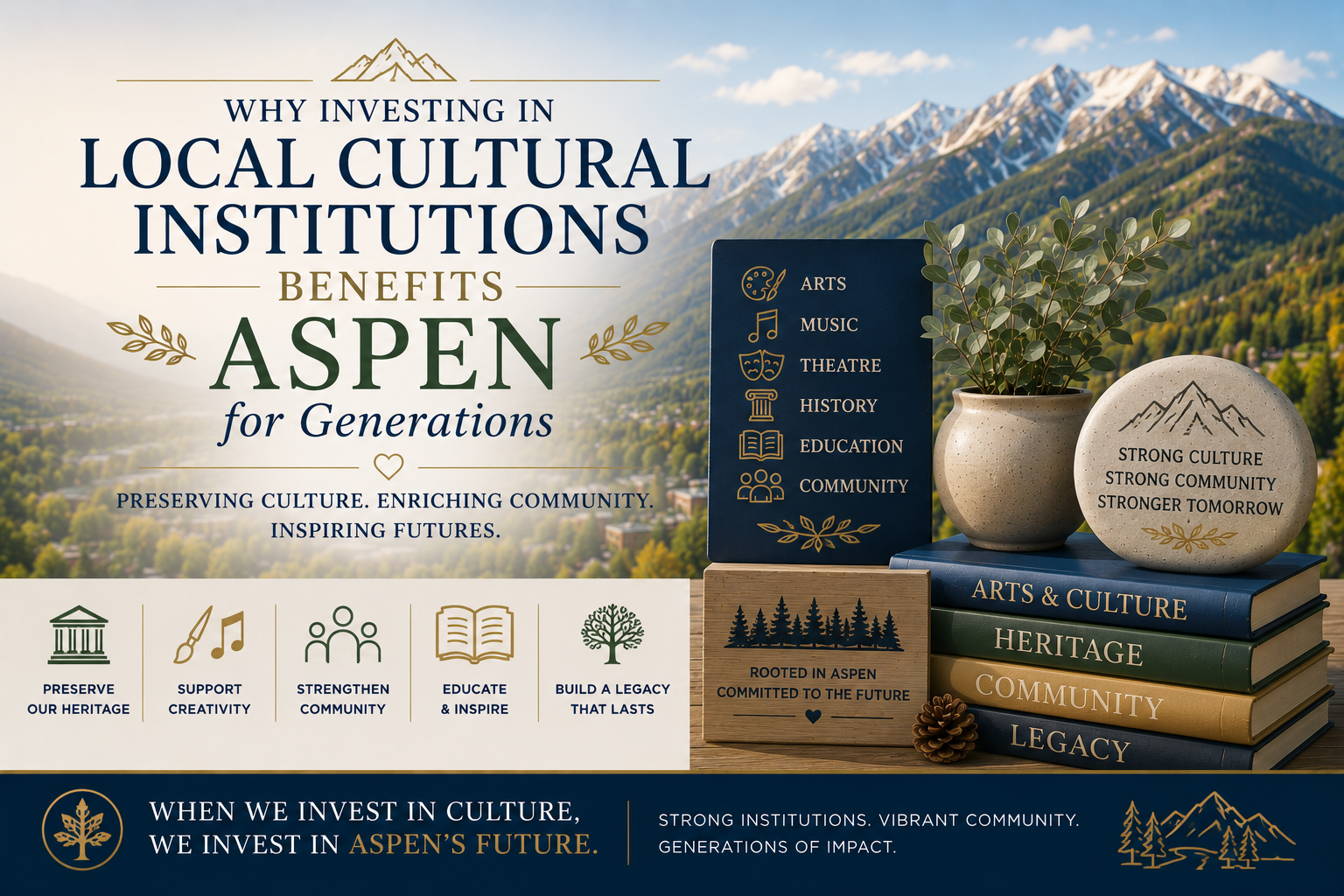
Aspen’s cultural life is anchored by three distinct but connected institutions: the century-old Wheeler Opera House, the summer productions of Theatre Aspen, and the nearly six-decade legacy of Anderson Ranch Arts Center. Together, they cover performance, education, and historic preservation — the full range of what a cultural ecosystem needs to remain vital.
Preserving History While Building What’s Next
Recognized on the National Register of Historic Places, the Wheeler Opera House has stood at the center of Aspen’s artistic life for more than a century. Bryan Weingarten’s three-year term on its Advisory Council, beginning in 2025, focuses on connecting that legacy with new programming and expanded access.
Live Performance as Community Investment
This past summer, Weingarten served as a lead supporter of Theatre Aspen’s production of A Chorus Line, the Tony Award and Pulitzer Prize–winning musical. “Great communities are built on more than economics and infrastructure,” he said. “They’re built on culture, creativity, and shared experiences.”
Education as the Foundation of Culture
Anderson Ranch Arts Center’s year-round workshops, residencies, and public events ensure that Aspen’s cultural identity isn’t just performed and preserved, but actively taught to the next generation of artists.
Supporting the future of art and community means investing in this full pipeline — from training to performance to preservation.
A Multi-Generational Return
Cultural institutions rarely show a clear return within a single budget cycle. Their value compounds over decades — a preserved opera house, a trained generation of artists, a summer theater tradition that keeps drawing talent to the valley. Sustained investment across all three is what keeps Aspen’s cultural identity intact for the residents who will inherit it.

Related Posts